
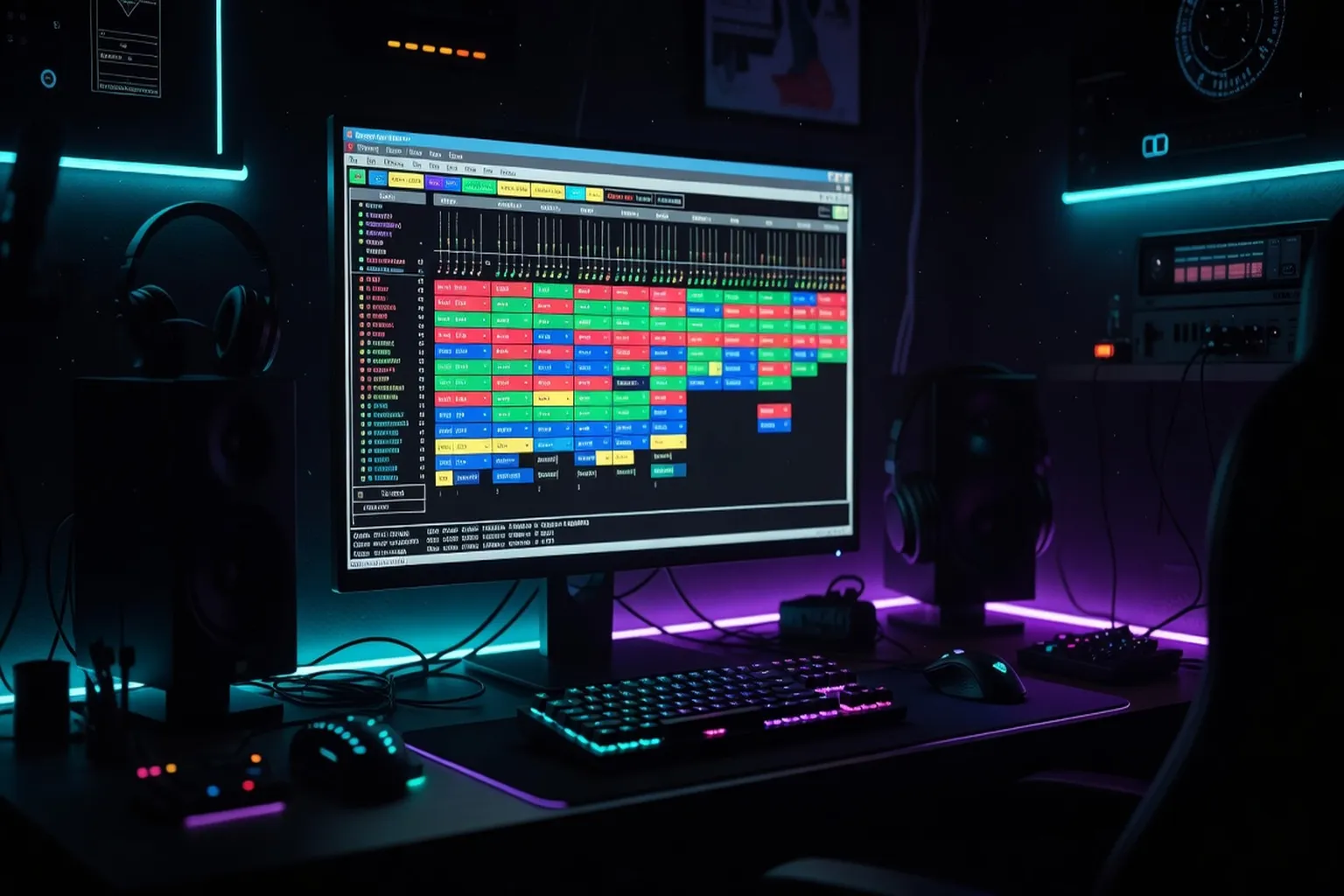
The Undeniable Comeback of Tracker Music in 2026
MOD files from the Amiga era never fully disappeared from the cultural landscape. They persisted through underground preservation efforts, demoscene archives, and a dedicated group of enthusiasts who continued composing long after commercial interest waned in the late 1990s. In 2026 the constraint-based composition philosophy resonates strongly with creators tired of endless plugin menus and cloud-synced DAW projects. The rigid grid of a tracker forces immediate creative decisions about melody, rhythm, and arrangement that feel refreshing compared to the blank canvas of modern workstations. Streaming nostalgia combined with chiptune’s mainstream breakthrough has opened new doors: Anamanaguchi’s arena tours, the lingering influence of SOPHIE’s experimental sample manipulation, and Toby Fox’s continued output keep 8-bit and 16-bit timbres in the public ear. The ModArchive 2025 report recorded 47 million module downloads and 312 million plays across the platform, a 38 percent increase from 2023. Younger musicians cite the low barrier to entry and the satisfying immediacy of hearing a complete song emerge from a few kilobytes of data. Many explicitly reject bloated DAWs because trackers remove decision fatigue around routing, mixing, and file management. The self-contained nature of a module also aligns with current interests in data minimalism and offline creative practice. Communities on Discord and Reddit report steady growth in users under twenty-five who discovered modules through TikTok retrowave edits or game soundtracks. This demographic values the archival permanence of tracker files; a module composed today will sound identical in thirty years without plugin obsolescence. The revival is therefore not purely nostalgic but practical, aesthetic, and philosophical.
What Makes Tracker Music Different: A Technical Love Letter
Tracker music follows a pattern-based composition paradigm that differs fundamentally from timeline-centric DAWs. Music is built from short reusable blocks called patterns. Each pattern contains note data arranged in rows across multiple channels. These patterns are then chained together in a sequence list to form the full song structure. The channel count directly shapes musical decisions: classic 4-channel MOD files require careful orchestration because only four simultaneous sounds are possible. Eight-channel XM and IT modules offer more room yet still impose strict economy compared with 64-track DAWs. The MOD format stores samples and pattern data together with basic volume and panning commands. XM adds instruments with volume and panning envelopes plus more patterns. IT further expands the feature set with new note actions, a larger sample count, and improved compression while retaining backward compatibility with many players. S3M occupies a middle ground historically popular on the PC demoscene. All formats rely on sample-based synthesis rather than subtractive virtual analog modeling. Short audio recordings are pitch-shifted and looped in real time. This approach yields a distinctive crunchy or warm character depending on sample quality and playback rate. Because every sound source lives inside the file itself, a finished module is a complete snapshot in time. No external dependencies exist. Most high-quality modules remain under one megabyte while sounding remarkably full because efficient sample reuse, clever looping, and precise volume automation replace the need for large sample libraries. The format’s economy encourages composers to focus on arrangement and melody rather than sound design sprawl. This technical minimalism continues to attract artists seeking both portability and creative focus.
For a technical deep-dive into the formats, our tracker music guide covers MOD, XM, IT, and S3M specifications in detail.
OpenMPT in 2026: The King of Modern Trackers
OpenMPT traces its lineage to the original ModPlug Tracker released in the late 1990s. The project evolved into Open ModPlug Tracker and later simply OpenMPT under active community stewardship. In 2026 the application supports VST instrument hosting, detailed automation envelopes, and complete IT format fidelity including all extended commands. The Plugin Bridge allows seamless mixing of 32-bit and 64-bit VSTs within the same project, solving long-standing compatibility headaches. A Tune-In Radio plugin streams modules directly from ModArchive inside the tracker, turning the program into both a composition tool and a discovery platform. The development team releases regular updates focused on stability and format accuracy rather than flashy visuals. The software remains completely free and open source, a deliberate choice that has sustained a loyal user base. While native to Windows, it runs reliably under Wine on Linux systems and is frequently used in production pipelines at demoparties. The Discord server and official forums host daily discussions about pattern techniques, sample optimization, and new module releases. New users benefit from extensive documentation and a large library of example files bundled with the installer. OpenMPT’s balance of modern convenience and strict format adherence makes it the default recommendation for anyone entering the scene in 2026.
Renoise: The Tracker Built for Professionals
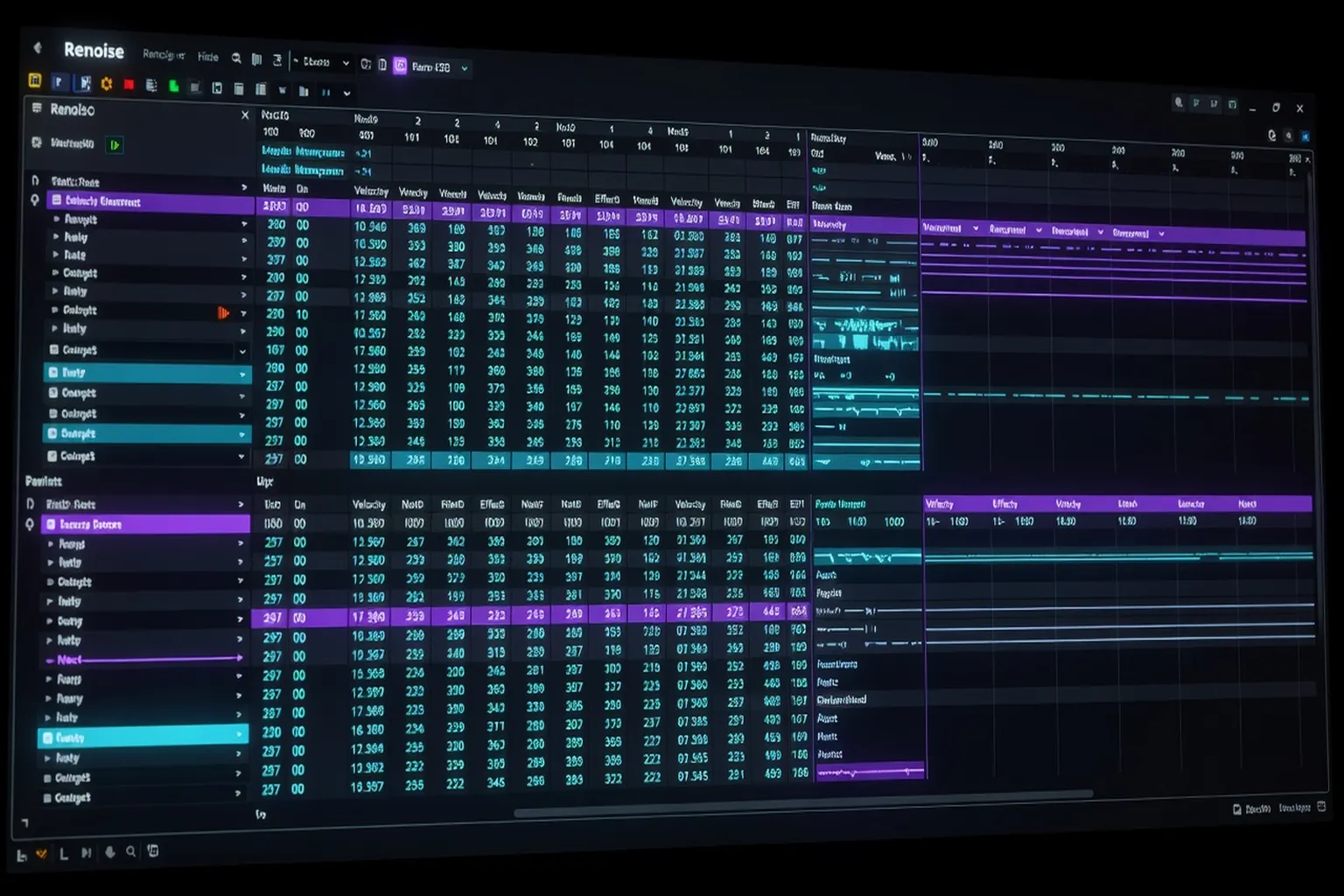
Renoise combines the classic tracker grid with a horizontal timeline view and powerful automation lanes. This hybrid layout appeals to producers who need both rapid pattern entry and precise visual arrangement. The Redux plugin version lets users load Renoise directly inside any VST host, turning the tracker into a powerful sound design workstation. A mature Lua scripting API enables custom tools for generative composition, batch processing, or live parameter control. Live performance mode offers scene launching and real-time pattern triggering suitable for stage use. The lifetime license costs ninety-nine dollars, a one-time purchase that includes all future updates. Professional users include electronic artists who value the speed of pattern-based writing combined with high-quality DSP effects. Notable features include the Sample Alchemy engine for spectral manipulation and the Phrase Editor that allows per-instrument sequencing independent of the main pattern. Many demosceners adopt Renoise despite the cost because its rendering quality and stability outperform free alternatives when preparing competition entries. The software’s emphasis on musical flow rather than menu diving keeps sessions focused and productive.
The relationship between tracker music and chiptune is explored fully in our chiptune complete guide, covering hardware sound chips from the C64 to the Game Boy.
MilkyTracker and the Pure Old-School Experience
MilkyTracker maintains strict compatibility with ProTracker and FastTracker 2 formats, refusing to add modern conveniences that would break authenticity. Purists appreciate the absence of VST support, advanced routing, or floating-point mixing; the program behaves exactly like its 1990s predecessors. Mobile versions for iOS and Android extend the same workflow to tablets, creating a thriving portable tracking scene. Users create authentic 4-channel Amiga MODs for retrocomputing events and museum installations. In 2026 several community projects used MilkyTracker to produce soundtracks for new Amiga demos and Game Boy homebrew releases. The program’s small footprint and zero-configuration startup make it ideal for quick sketching or educational workshops. Its continued maintenance demonstrates that some musicians deliberately seek limitations as a creative catalyst rather than a restriction.
AI Meets Tracker: A Surprisingly Perfect Workflow
Many 2026 composers feed short audio clips generated by Suno AI or AudioCraft into trackers after converting them to 8-bit or 16-bit WAV samples. The resulting artifacts become distinctive instruments that sit alongside hand-crafted sounds. Magenta models supply melodic seeds that are then transcribed into tracker patterns by hand, preserving human groove while borrowing AI structural suggestions. Drum loops created by AI are sliced into one-shots and placed on separate channels for classic tracker swing. Finnish demoscener Mikko Virtanen described this hybrid method in a MattCurrent interview as “letting the machine dream the timbre while the human writes the song.” Limitations remain: AI-generated samples lack the precise looping and tonal control of hand-designed FM or wavetable instruments, yet the imperfections often produce textures impossible to achieve through conventional means. The combination yields modules that feel simultaneously nostalgic and futuristic, expanding the timbral vocabulary of the format without abandoning its core constraints.
Sceners looking to integrate AI into their tracker setup should read our overview of the best AI tools for music production for a practical comparison of platforms.
The Online Tracker Scene: ModArchive, Pouet, and Where to Find the Community
ModArchive.org hosts more than 250,000 modules with robust search, tagging, and remix licensing tools. Users can download, study, and legally remix files provided they credit the original author. Scene.org serves as the long-term archival mirror for competition entries and historical releases. Pouet.net features demoparty productions with embedded players so visitors can experience music alongside visuals. Active Discord servers include the general Demoscene Community hub, the dedicated OpenMPT server, and the Renoise Discord. Reddit’s r/trackermusic subreddit sees daily module shares and technical questions. Several YouTube channels specialize in module showcases and tutorial content. New composers are encouraged to upload their first .IT or .XM file to ModArchive with clear tags and then post a link on Discord for feedback. The community values technical skill, melodic invention, and respectful sampling practices.
Getting Started: Your First Module in Seven Steps
- Download OpenMPT free from the official site and install it on Windows or via Wine.
- Open an example module such as “echoing.mod” or “beyond the stars.it” from ModArchive to study pattern layout and sample usage.
- Familiarize yourself with the interface: the pattern editor grid, the instrument list panel, and the order list at the bottom.
- Load basic drum samples and place a kick on every fourth row, a snare on the second and sixth, and hats on off-beats to build a foundation.
- Add a bass line using a short synth waveform sample, experimenting with portamento and volume slides for movement.
- Compose four to eight distinct patterns and chain them using the sequence list, adding subtle variations in later repetitions.
- Export the song as .IT or .XM and upload it to ModArchive with appropriate tags and a short description. Each step rewards patience; beginners typically spend several hours on the first module before achieving satisfying results.
Hardware Trackers: Polyend, M8, and the Physical Revival
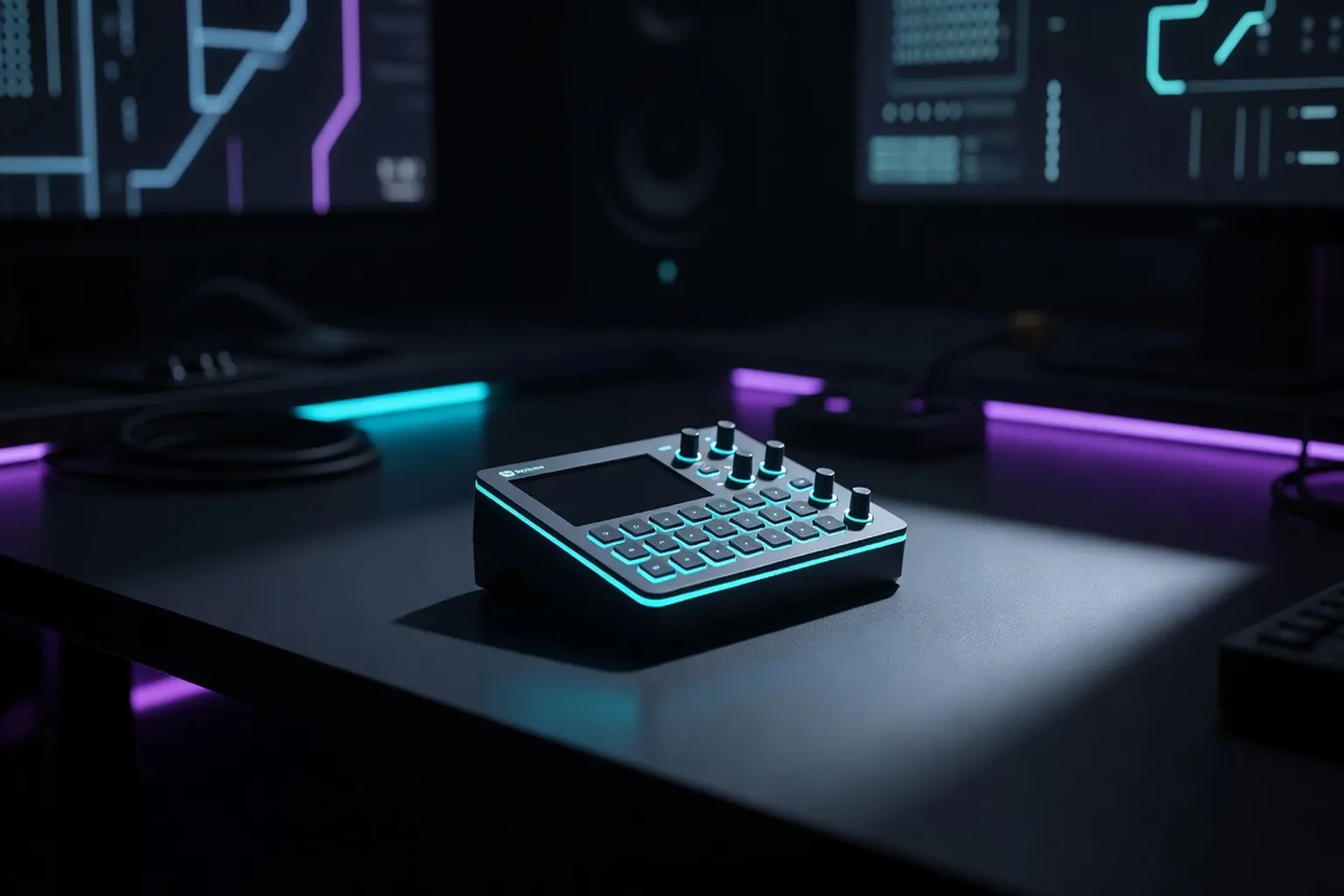
The Polyend Tracker+ (2024 model) offers ten tracks, SD-card storage, and battery operation for stage use. The Dirtywave M8, a Game Boy-sized device, has developed a cult following for its immediacy and deep synthesis capabilities. Teenage Engineering’s OP-Z shares a similar sequencer philosophy even though it is not a traditional tracker. Hardware trackers sell well in 2026 because many performers prefer a laptop-free stage setup. Battery-powered units allow spontaneous jamming at demoparties and outdoor events. Price points range from roughly three hundred dollars for the M8 to nearly six hundred for the Polyend Tracker+. Workflow differences center on screen size and button tactility rather than core functionality. The physical revival complements software trackers by providing tactile constraints that further focus creative attention.
Musicians moving beyond pure trackers often graduate to the tools covered in our open-source DAW guide, which reviews free DAWs that complement the tracker workflow.
The Future of Tracker Music: 2027 and Beyond
WebAssembly builds of libopenmpt now allow modules to play natively inside web browsers, opening distribution possibilities for interactive music sites. Several platforms are exploring deeper Wasm integration for user-generated module players. OpenMPT developers have discussed an optional AI-assistance plugin for pattern completion and sample cleanup. Tracker competitions at Assembly, Revision, and Function continue to grow in entry numbers each year. Hardware manufacturers may eventually converge on a shared sample format to improve cross-device compatibility. A new generation of teenagers encounters MODs through TikTok retrowave edits and subsequently seeks the original tools. The format’s combination of archival stability, low resource demands, and immediate musical feedback suggests it will remain relevant well beyond 2027.
For sceners on Unix-based systems, this guide to the audio production tools available on Linux and BSD lists essential audio packages that integrate with tracker workflows.
Hardware Trackers: Polyend, M8, and the Physical Revival
In recent years, the demand for hardware trackers has surged, largely thanks to their unique blend of nostalgia and innovation. Leading the charge is the Polyend Tracker+, a sophisticated yet accessible device offering a tactile interface reminiscent of early digital music workstations. Priced at around $599, it includes features like a large screen, step sequencing, sampling capabilities, and a comprehensive effects suite, making it a powerful tool for both live performances and studio work.
Another standout is the Dirtywave M8, which has garnered a cult following for its ultra-portable design. Resembling a Gameboy, the M8 is powered by the relatively inexpensive Teensy microcontroller, ensuring robust performance while being compact enough to carry in your pocket. Its price point—around $500—reflects its high-quality sound engine and sequencing power, making it a favorite for artists on the go.
The Teenage Engineering OP-Z also deserves mention, known for its versatile sequencing capabilities. Although not a tracker in the traditional sense, its innovative design and modular approach allow for tracker-like sequencing, with a price tag hovering around $599.
The success of these devices in 2026 can be traced to the “no laptop on stage” philosophy embraced by many modern creators. These battery-powered units offer freedom to perform at demoparties and other live events without the need for cumbersome setups. While Polyend and Teenage Engineering’s offerings represent a more traditional price point for high-quality instruments, the M8 provides an entry point for those looking to inject some tracker magic into their sonic arsenal without breaking the bank.
For sceners interested in combining mobile tracker apps with AI workflows, our best AI tools for music production guide covers the tools that work best in mobile-first setups.
Tracker Music on Mobile and in the Browser
The tracker music scene is expanding into mobile and web platforms, allowing musicians to create and playback modules on-the-go. MilkyTracker Mobile has become a popular choice for both iOS and Android users, providing the classic tracker interface in a mobile-friendly package. Similarly, Caustic 3 adapts its interface with a tracker-like design, enabling intricate pattern sequencing akin to traditional track-based production.
Mobile trackers pair particularly well with the sounds covered in our AI chiptune and 8-bit sounds guide, which explains how to generate authentic 8-bit timbres that load perfectly into MilkyTracker or OpenMPT.
A broader selection of best free and open-source software for music including companion apps for sample editing is reviewed on SoftAid.
Meanwhile, libopenmpt.js has proven revolutionary by enabling module playback within browsers, thanks to WebAssembly. This advancement has paved the way for web-based tracker editors in 2026, resulting in a burgeoning landscape of online tools drawing inspiration from early pioneers like SoundBox and BeepBox.
Tablet users are also eagerly embracing this digital evolution. The combination of high processing power and touchscreen interfaces makes tablets an ideal environment for creating intricate musical compositions. These devices not only afford greater accessibility and versatility but also help bridge the gap between traditional desktop production and the increasingly mobile lifestyle of contemporary musicians.
Collectively, these developments are democratizing music creation, ensuring that both seasoned veterans and newcomers to the tracker scene have the tools they need to create music no matter where they are, be it at home, in transit, or sharing the excitement of a live demoparty.
Frequently Asked Questions
Q: Is tracker music the same as chiptune?
A: Tracker music uses sampled audio that can emulate many styles, while chiptune strictly refers to music generated by hardware sound chips such as the SID or YM chips. Significant overlap exists because many tracker musicians deliberately emulate chiptune aesthetics through limited samples and simple waveforms. However, tracker music is fundamentally more versatile as it allows for the incorporation of a broader range of audio influences, unlike the inherently minimalistic nature of traditional chiptune sounds.
Q: What tracker software should a complete beginner start with in 2026?
A: OpenMPT remains the strongest recommendation for beginners because it is free, Windows-native, and ships with extensive documentation plus community support channels that answer questions within minutes. Its user-friendly interface makes it accessible for new users, helping them easily understand the basics of music tracking. Moreover, OpenMPT’s compatibility with various file formats allows beginners to experiment with a wide range of music styles right from the start.
Q: Can I use modern VST instruments and synthesizers in trackers?
A: OpenMPT provides solid VST hosting through its Plugin Bridge, allowing 32-bit and 64-bit plug-ins to coexist. This compatibility ensures that users can utilize their favorite modern synthesizers without concern for technical limitations. Renoise offers even deeper integration with full automation mapping and multiple VST instances per track, which provides advanced users with unparalleled control over complex soundscapes and musical arrangements.
Q: How do AI tools like Suno or AudioCraft fit into a tracker workflow?
A: AI tools generate short audio clips that are converted to low-bitrate WAV samples and imported directly into trackers as instruments. This workflow supplies unusual timbres while the human composer retains full control over pattern writing and arrangement. Furthermore, the integration of AI-generated samples can inspire novel musical ideas, enabling composers to explore creative avenues they might not have discovered otherwise.
Q: Where can I share my first module and find feedback from other tracker musicians?
A: ModArchive accepts uploads with proper credit and tags, making it an ideal platform for sharing your work with a wider audience. Discord communities and the newcomer competitions at major demoparties provide constructive critique from experienced composers. Engaging with these platforms not only helps in receiving valuable feedback but also fosters connections with fellow enthusiasts who can offer continued support and collaboration opportunities.